

Contamination risks in coffee processing
One of the key challenges in coffee production is the presence of foreign bodies, particularly in raw materials. Stones and other dense contaminants introduced at origin remain a persistent risk and must be reliably detected early in the process.
However, inspection does not end with raw material control. Throughout the production chain, additional risks arise:
- Foreign bodies in bulk beans and ground coffee
- Missing capsules in sleeves or cartons
- Incomplete packaging units
- Variability in product formats and packaging materials
These challenges require inspection systems that operate consistently across different product states – from bulk flow to packaged goods.
Beyond detection: completeness and counting verification
In addition to foreign body detection, counting and completeness verification have become essential components of modern quality assurance in coffee production.
Particularly in capsule-based formats, ensuring the correct number of units in sleeves and cartons is critical. Missing or incomplete packages can quickly lead to customer complaints and costly recalls.
Modern X-ray inspection systems enable:
- Verification of capsule count inside sleeves and cartons
- Detection of missing or incomplete products
- Identification of inconsistencies within sealed packaging
This adds a new layer of security, ensuring that not only product integrity but also packaging accuracy is maintained.
Reliable completeness control for sleeves and boxes

We need your consent to load the YouTube Video service!
We use a third party service to embed video content that may collect data about your activity. Please review the details and accept the service to watch this video.
Overcoming packaging challenges
Coffee products are available in a wide range of packaging formats, many of which pose specific challenges for conventional inspection technologies.
Typical examples include:
- Metallized films in flexible packaging
- Glass jars
- Metal cans
- Composite materials
These packaging types can create blind spots or reduce detection performance when using traditional systems. X-ray technology overcomes these limitations by enabling reliable inspection regardless of packaging material or product density.
This makes it possible to establish consistent inspection standards across all product formats.
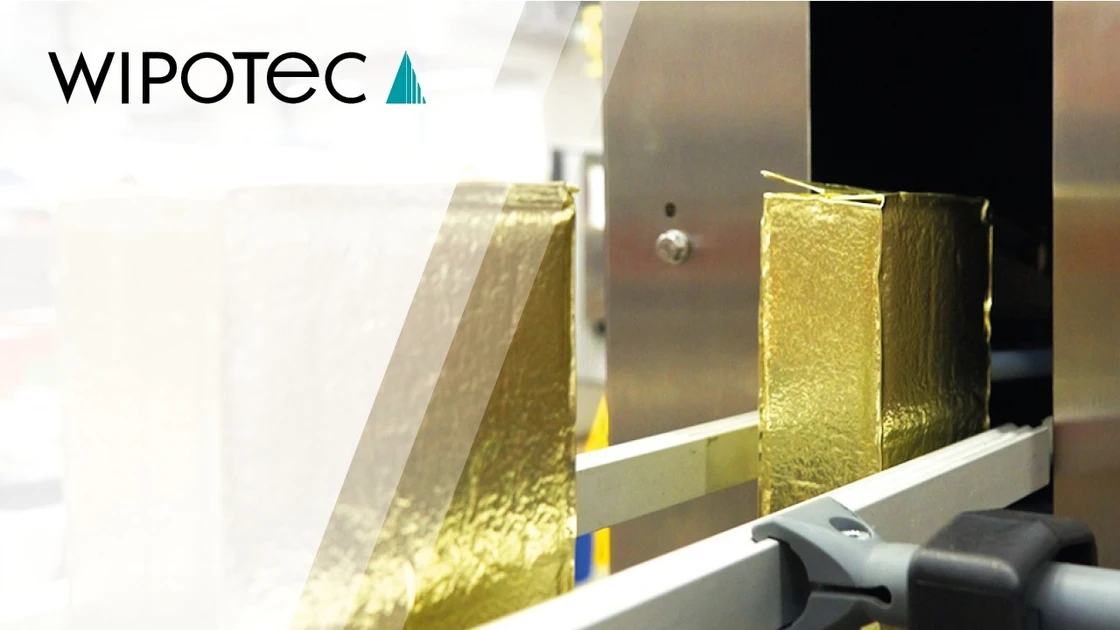
Reliable foreign body detection in upright packaging
We need your consent to load the YouTube Video service!
We use a third party service to embed video content that may collect data about your activity. Please review the details and accept the service to watch this video.
Establishing reliable Critical Control Points (CCPs)
In a highly competitive and yield-driven market, the definition and control of Critical Control Points (CCPs) are essential for ensuring product safety and process stability.
Effective inspection strategies in coffee production typically include:
- Foreign body detection in bulk flow (e.g. green beans)
- Inspection after filling and packaging processes
- Verification of product completeness in secondary packaging
- Final inspection before shipping
By integrating X-ray inspection systems and checkweighers at these points, producers can achieve full inspection coverage and eliminate potential blind spots within the production process.
Integrated inspection for efficiency and yield protection
Modern inspection solutions combine X-ray technology with checkweighing and intelligent data processing. This enables not only reliable detection but also optimized yield and improved process transparency.
Key benefits include:
- Reduction of false rejects through precise detection
- Protection of product yield
- Automated documentation of inspection results
- Increased transparency across production lines
Such integrated approaches support both operational efficiency and compliance with regulatory and customer requirements.
Inspection as a strategic advantage in coffee production
As the coffee market continues to evolve, inspection is becoming a central element of competitive production strategies. Ensuring product safety, maintaining yield and meeting increasing quality expectations require systems that go beyond basic detection.
By combining foreign body detection, completeness verification and packaging-independent inspection, modern X-ray systems provide a comprehensive solution for coffee producers – from bulk beans to finished shipping units.
This holistic approach enables manufacturers to strengthen their Critical Control Points, reduce risks and ensure consistent product quality in an increasingly demanding market environment.
Subscribe to our Blog
Sign up for our Blog Newsletter and be notified only if new articles are published.